For several seasons in a row, shoes on an amazingly high heel remain at the height of fashion. However, they cause a whole bunch of problems:
- varicosity;
- curvature of foot and fingers;
- low back pain;
- rachiocampsis.
To avoid these symptoms, you should periodically wear women's shoes without a heel.
Types of women's shoes without a heel
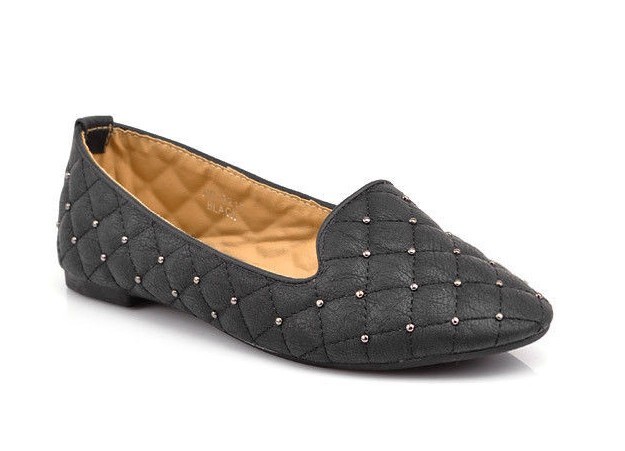
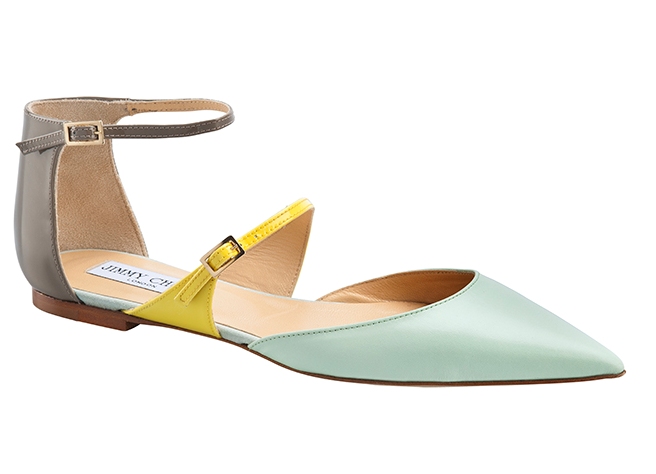
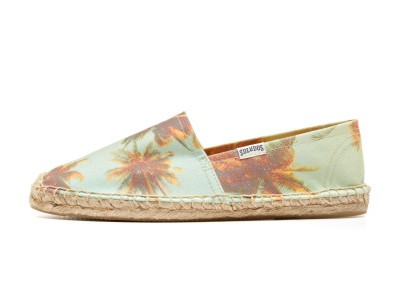
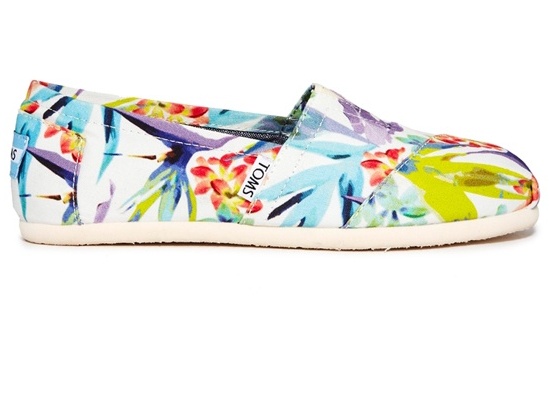
Modern designers offer the following models of shoes on a flat sole:
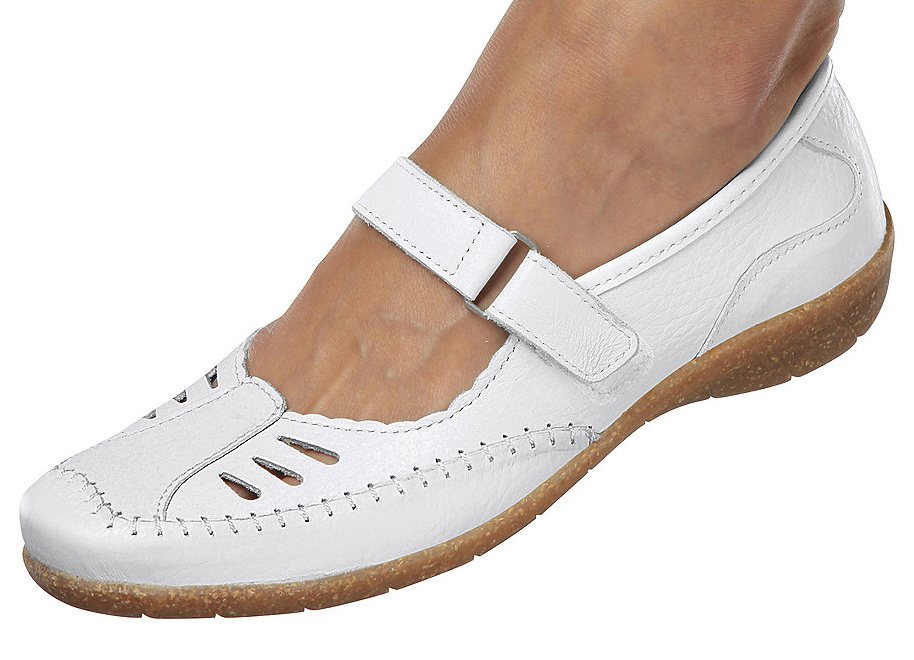
- Moccasins and their variations. Externally, they are reminiscent of comfortable slippers, which are ideal for everyday style. Classic moccasins are made of soft leather or suede. The assortment also includes modern prototypes of moccasins: topsiders, sappers, espandrilles. These models are distinguished by the presence of special laces, soles and other small details.
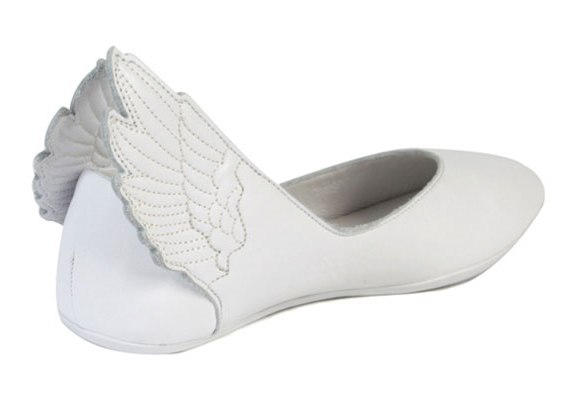
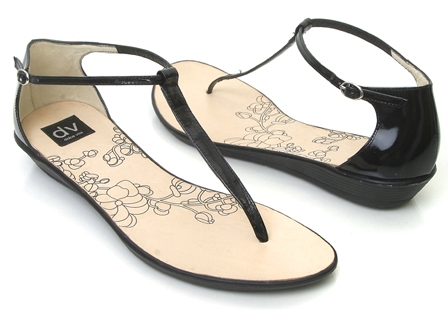
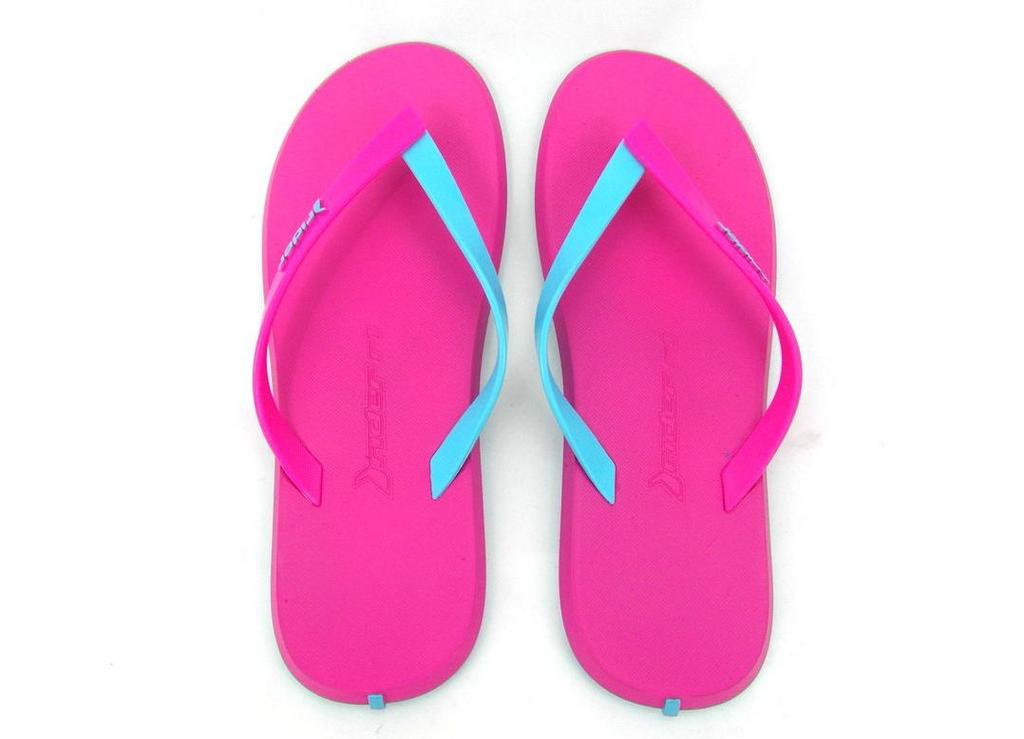
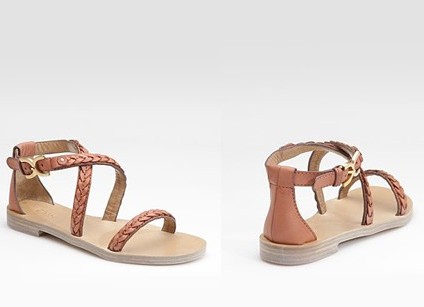
- Summer shoes without heels. Sandals are the most popular model. They have a dense embossed sole that supports the foot well and provides excellent grip on the ground. Slippers, flip flops, sandals, ballet flats and textile sneakers are also in demand.
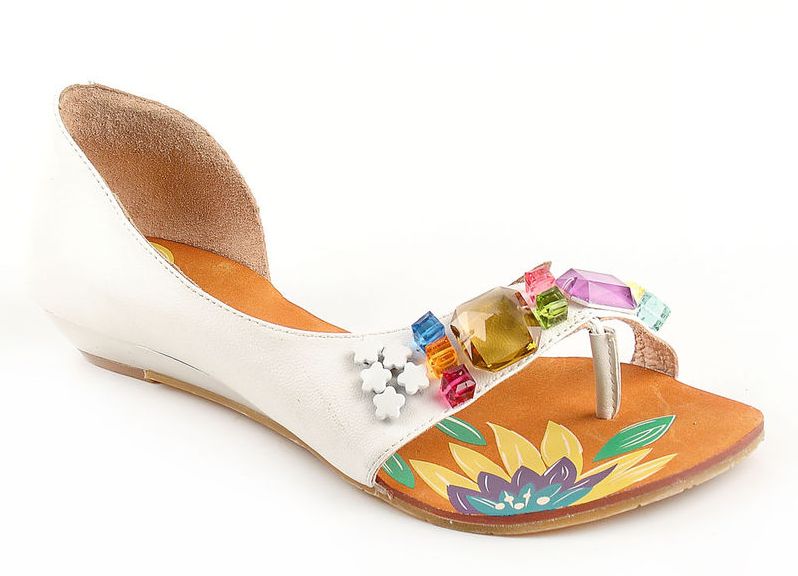
- Fashionable shoes without heels. Some designers perceive the definition of "shoes without a heel" too literally and simply deprive the classic shoes on the platform of the supporting hairpin. Equilibrium is achieved through a curved wedge, which evenly distributes weight throughout the shoe.
What is dangerous shoes without a heel?
It turns out that shoes, completely devoid of heels, can cause the development of thrombophlebitis, transverse longitudinal flatfoot and even the intervertebral hernia. Therefore, orthopedists are advised to alternate wearing shoes without a heel and shoes on a high heel, or constantly wear sandals or shoes on a low (3-4 cm) heel.
| | | |
| | | |
| | | |